Author: Rabbi Schell

  • Taking Responsibility in the Age of AI

    Taking Responsibility in the Age of AI

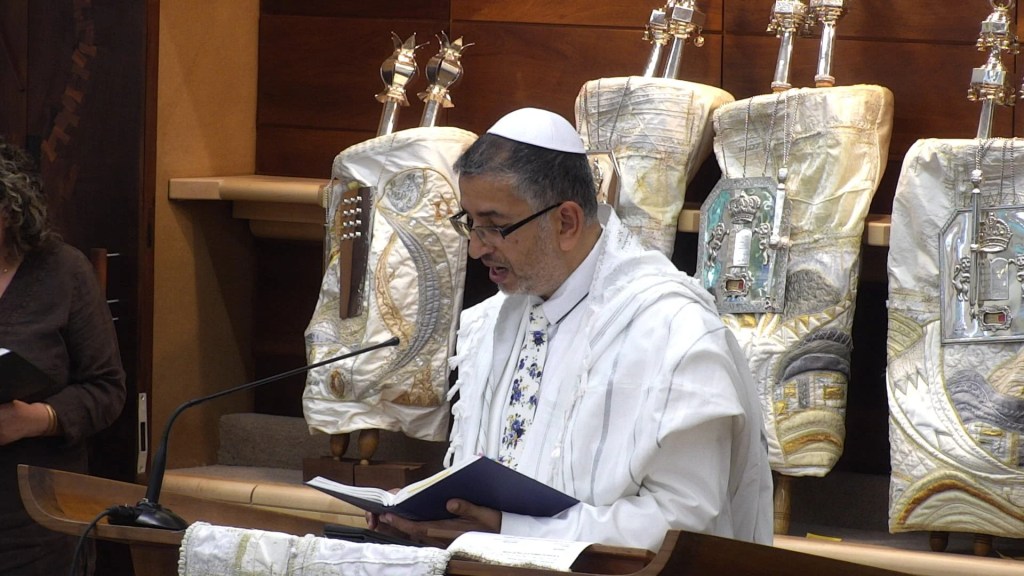
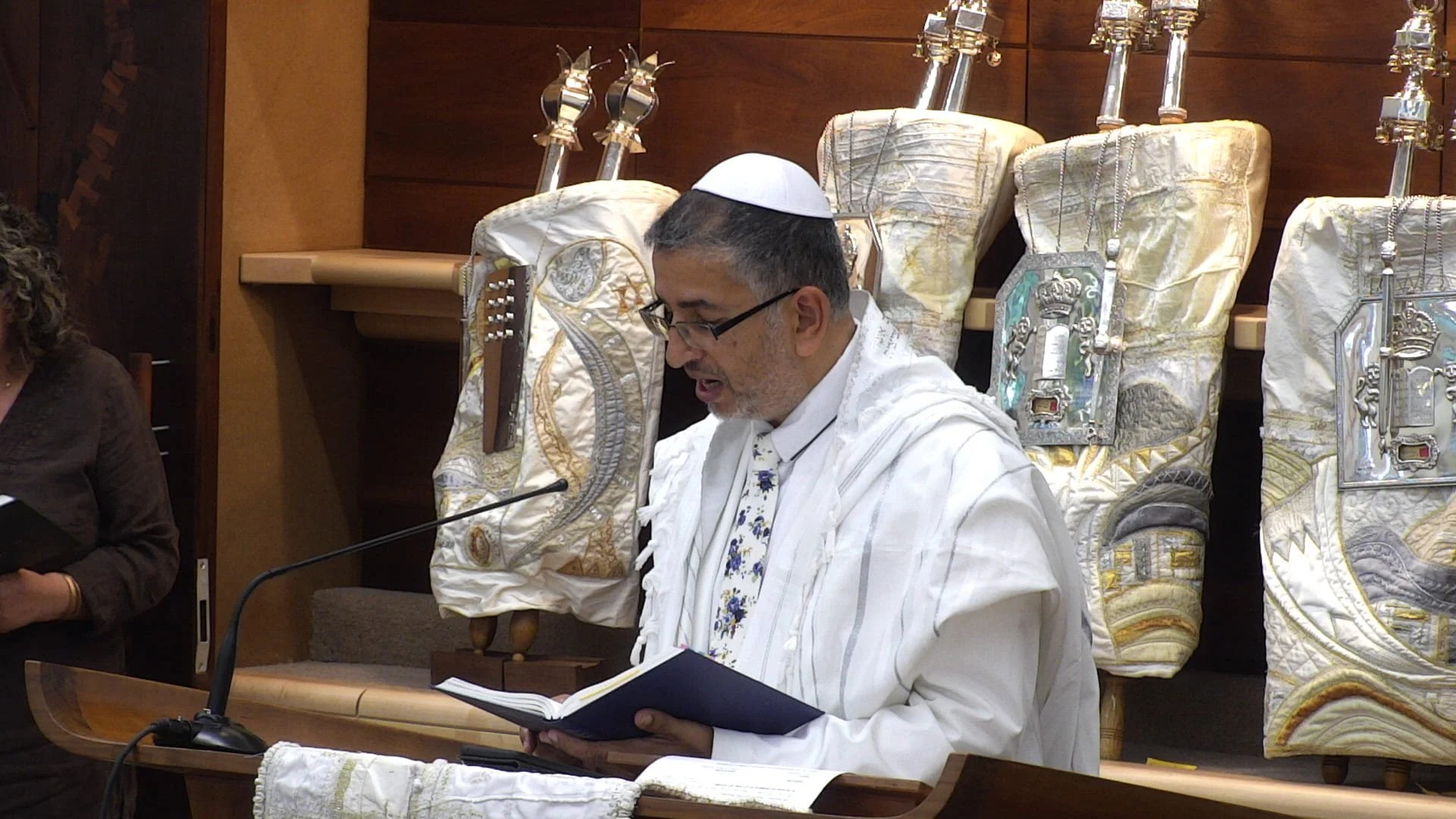
    Join Rabbi Adrian M. Schell as he delivers a thought-provoking, and at times light-hearted, sermon during the Neilah service at Wimbledon Synagogue. He explores the balance between human responsibility and technological advancement. In this heartfelt Yom Kippur sermon, Rabbi Schell reflects on the rise of artificial intelligence and the importance of not surrendering our moral and spiritual autonomy to convenience. He calls for a renewed commitment to personal growth, tikkun olam (repairing the world), and embracing our role as active participants in shaping our own lives.

    Don’t miss this inspiring conclusion to the High Holy Days, filled with wisdom, personal stories, and a powerful message about maintaining our humanity in the digital age.

    #YomKippur2024 #NeilahSermon #RabbiAdrianSchell #AIandEthics #TikkunOlam #WimbledonSynagogue #JewishHighHolyDays #SpiritualResponsibility #ArtificialIntelligence #JewishCommunity #LiveBroadcast #PersonalGrowth

  • Finding Awe in Uncertain Times

    In his Kol Nidrei sermon, Rabbi Adrian M. Schell reflects on the power of Awe in times of uncertainty. Drawing on ancient wisdom from the Midrash to the Baal Shem Tov, Rabbi Schell encourages us to lift our heads, step out of the darkness, and rediscover wonder in the world around us—despite the chaos and challenges we face. With profound insights into the nature of awe, this sermon offers hope, inspiration, and a reminder of the beauty that persists even in difficult times.

    Join Rabbi Adrian as he explores how awe can lead to a renewed sense of purpose, connection, and meaning in our lives.

    #KolNidrei #Awe #YamimNoraim #YomKippur #RabbiSermon #JewishInspiration #WimbledonSynagogue #RabbiAdrianSchell

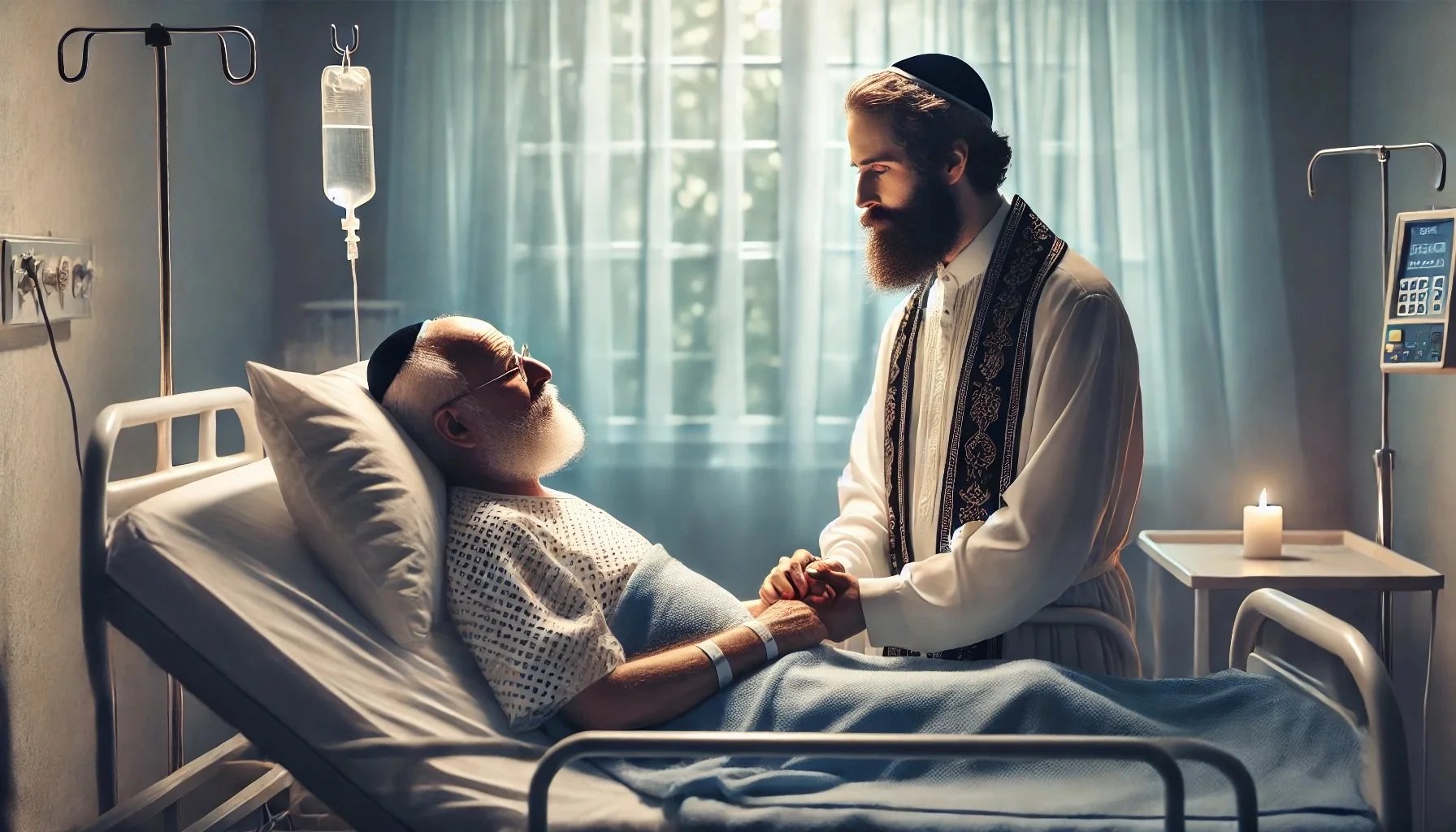
  • Finding Holiness in Vulnerability: Lessons from Hospital Chaplaincy

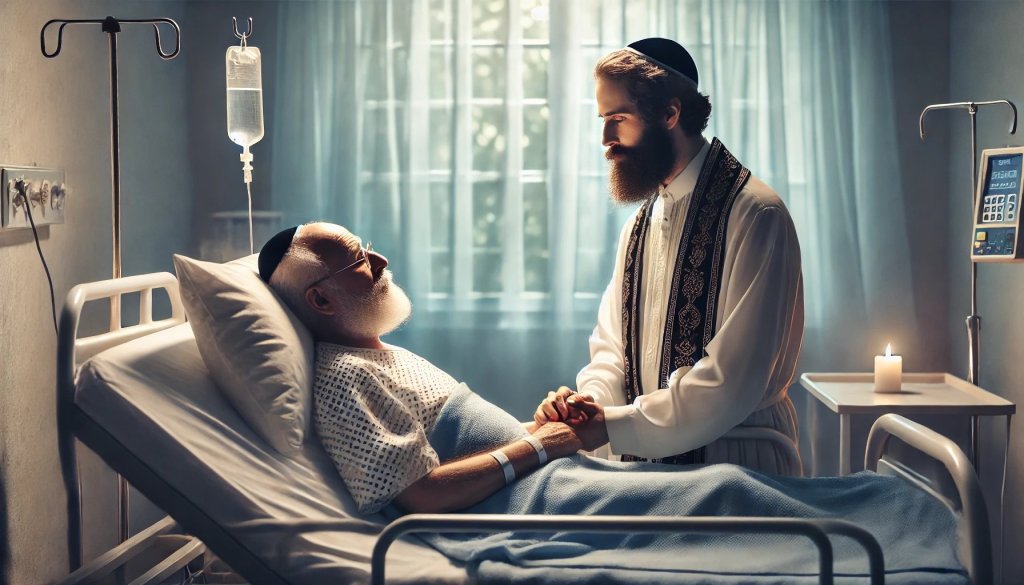
    Finding Holiness in Vulnerability: Lessons from Hospital Chaplaincy

    In this second day Rosh Hashanah sermon, Rabbi Adrian M. Schell reflects on the profound experiences he has had as a hospital chaplain. Drawing from the teachings of Martin Buber and Jewish scripture, Rabbi Schell shares moving encounters with patients that reveal the sacred nature of human connection. Through stories of hope, loneliness, and the power of presence, Rabbi Schell invites us all to consider how we can bring the spirit of chaplaincy into our daily lives. As we navigate the challenges of life, he reminds us of the divine spark in every person and the importance of being fully present for one another.

    (more…)

  • Isaac and Ishmael – Their Untold Story | Rosh Hashanah Sermon by Rabbi Adrian M. Schell

    Isaac and Ishmael – Their Untold Story | Rosh Hashanah Sermon by Rabbi Adrian M. Schell

    In this moving Rosh Hashanah sermon, Rabbi Adrian M. Schell takes us through the untold narrative of Isaac and Ishmael, two estranged brothers separated by trauma and reunited only by their father Abraham’s death. With a focus on themes of resilience, reconciliation, and renewal, the sermon delves into their shared trauma and reflects on the complexities of human relationships and the power of forgiveness. Rabbi Schell imagines their reunion and explores their journeys, likening them to the challenges we face today.

    Referencing the tragic events of October 7th, 2023, in Israel, Rabbi Schell weaves a modern connection between this biblical tale and the ongoing need for empathy, healing, and understanding in times of conflict. This sermon calls on us to broaden our perspectives, recognise the stories and struggles we may have overlooked, and to strive for peace and unity in our communities.

    #RoshHashanah2023 #IsaacAndIshmael #RabbiAdrianSchell #Reconciliation #Resilience #Renewal #October7 #Israel #HealingAndHope #Empathy #ShanahTovah

  • What About Hope?

    What About Hope?

    In a world that often feels divided and overwhelming, I explore in my Erev Rosh HaShanah Sermon the timeless question: What about hope? Through personal stories, Jewish wisdom, and reflection, I hope to challenge you to reclaim hope not through grand gestures but through everyday acts of kindness, community, and love.

    Join Rabbi Adrian M. Schell for a thought-provoking Rosh Hashanah sermon that asks the vital question: What about hope? Drawing from a poignant interfaith discussion and Jewish teachings, Rabbi Schell reminds us that hope is not found in distant dreams but in the small, meaningful actions we take each day. Through storytelling and deep reflection, this sermon inspires us to build a better future, embrace compassion, and become the bridge builders in a divided world. Watch now and start your year with hope, courage, and purpose. Shanah Tovah!

  • Small Steps, Great Success – The Journey of Teshuva

    How is your stock-taking – cheshbon haNefesh – going?

    Now, only 10 days away from the start of the new year and 20 days from Yom Kippur, how much do you feel prepared for the big days in our Jewish calendar?

    And in general, is this whole Elul business of introspection, reflection, and transformation, meaning making Teshuva, working?

    Let’s be honest—this process can feel overwhelming. Looking back at the year behind us, we may see failures, mistakes, and unresolved tensions. Sometimes the weight of the work ahead makes Teshuva (repentance) feel daunting, even unattainable.

    (more…)

  • Ki Tavo: The First Fruits of Our Lives

    A couple of years ago, a friend of ours planted a small garden on her balcony. It was nothing fancy—just a few herbs, a tomato plant, and some strawberries. But when that first tomato ripened, it was like magic. She held it up to the sun, marvelling at its bright red skin, and the weight of it in her hand. It wasn’t the biggest or the most perfect tomato, but it was hers—something she had nurtured from seed to fruit. She said it reminded her of the first fruits offering in the Torah, the ancient practice of bringing the best of your harvest to the Temple in Jerusalem. And even though she wasn’t bringing her tomato to the Temple, it felt like an offering of gratitude, nonetheless.

    (more…)

  • Ki Teitzei: Given the current battle at Israel’s borders, how can we understand “blot out Amalek”?

    In his sermon for Shabbat Ki Teitzei, Rabbi Adrian Schell addresses the complex challenge of remembering past atrocities while striving to move forward, focussing on the Torah’s seemingly contradictory commandments regarding Amalek (Deuteronomy 25:17–19). He draws parallels between this ancient teaching and the current situation in Israel following the Hamas attacks.

    Key points: The Torah commands to both “remember” and “blot out” the memory of Amalek, presenting a paradox. Amalek is interpreted as both a historical enemy and a symbol of evil, representing external threats and internal challenges. The commandment to “blot out” Amalek is seen as a call to eradicate destructive forces in the world and within ourselves. Rabbi Schell applies this teaching to the aftermath of the Hamas attacks, emphasising the need to remember the pain while avoiding a cycle of hatred. He stresses the importance of defending oneself while upholding principles of justice, dignity, and compassion. The speech touches on interfaith dialogue and shared experiences of pain and fear in both Jewish and Muslim communities. Rabbi Schell concludes by calling for courage, compassion, and hope in facing future challenges and working towards peace. The sermon ultimately advocates for a balanced approach to remembering past traumas while actively working towards healing and peace.

  • Peace is something we cultivate with patience and care – Parashat Ki Teitzei

    In Parashat Ki Teitzei, we encounter the beautiful mitzvah of Shiluach HaKen—the commandment to send away the mother bird before taking her young (Deut. 22:6-7). At first glance, this may seem like a small gesture, but it holds a profound message about the importance of compassion and responsibility towards all living beings. Jewish tradition calls us not to dominate nature but to care for it, reminding us that our relationship with the natural world is one of sacred stewardship. 

    (more…)

  • Building a Peaceful and Prosperous Society—Parashat Re’eh

    In this week’s Torah portion, Re’eh, we catch a glimpse of the society the Israelites envisioned building upon reaching the Promised Land. It’s a picture of a harmonious community where everyone is cared for, celebrations abound, and prosperity is shared. The Torah even promises that there will be no poverty among them. 

    (more…)